SEO, AEO and search appearance
Service Website SERP Appearance Checklist
A service website does not only need to rank. It needs to look clear in Google, earn the right click, and send that visitor into a useful audit, consultation, or service path.
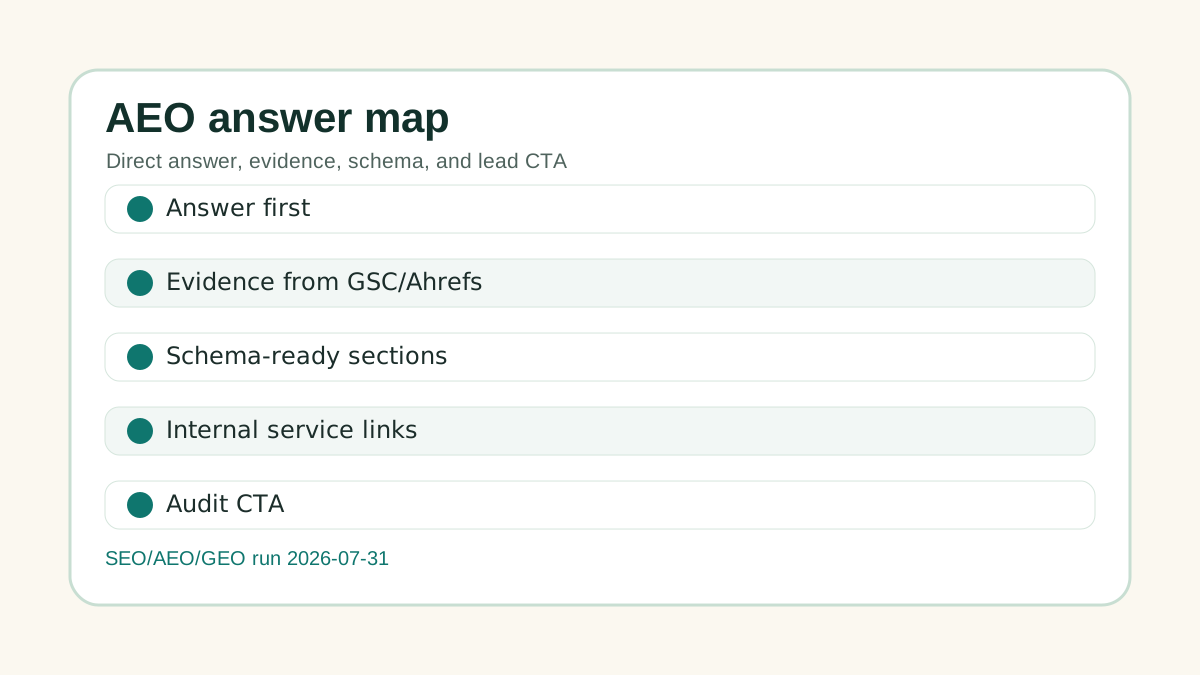
What Google can show, and what you can influence
Google controls the final title link, snippet, sitelinks, breadcrumb display, favicon, and rich-result treatment. A site owner cannot force those elements. What you can influence is the source material: page titles, meta descriptions, headings, internal links, schema, favicon setup, indexability, and the usefulness of the page itself.
For service businesses, SERP appearance matters because a vague result attracts weak clicks. A clear result tells the buyer what the page solves and prepares them for the next action before they land on the site.
- 1Title link: match the page intent in plain language and keep the brand consistent.
- 2Snippet source: write an opening answer that Google can summarize without losing the offer.
- 3Breadcrumb path: keep the URL and breadcrumb hierarchy clean enough for users to understand.
- 4Schema: use Article, FAQPage, BreadcrumbList, Service, or LocalBusiness only when the visible page supports it.
- 5Lead route: link from the article to the relevant audit, service page, process page, or contact path.
The checklist for a service website
| Area | What to check | Why it affects leads |
|---|---|---|
| Title | Does the title describe the exact service, use case, or outcome without keyword stuffing? | Better title clarity improves qualified clicks and reduces irrelevant visits. |
| Meta description | Does the summary explain the problem, page value, and next step? | The snippet can set the buyer's expectation before they enter the funnel. |
| First answer | Is there a concise answer block above the long article body? | AI Overviews, answer engines, and impatient visitors all need quick clarity. |
| Navigation | Are service, audit, process, portfolio, and contact routes linked from important pages? | Clear internal links help sitelink eligibility and help visitors continue. |
| Schema | Does schema mirror visible content and avoid fake claims, fake ratings, or hidden offers? | Trustworthy structured data supports eligibility without creating risk. |
| Indexing | Are canonical, sitemap, redirect, and noindex rules intentional? | A strong page cannot appear cleanly if Google sees duplicate or blocked versions. |
Use visuals to make the page easier to understand
The earlier version of this article stacked every visual at the top. That made the page feel rough and heavy. The better pattern is to use the first visual as the main explanation, then place supporting diagrams near the sections they explain.
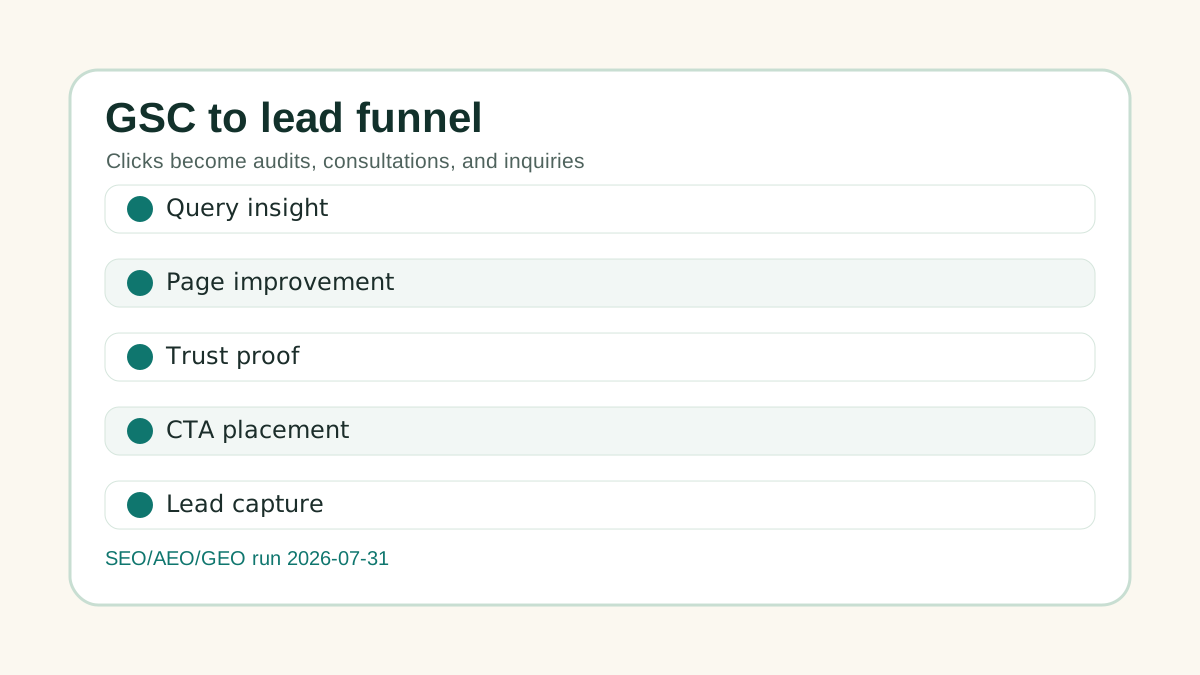
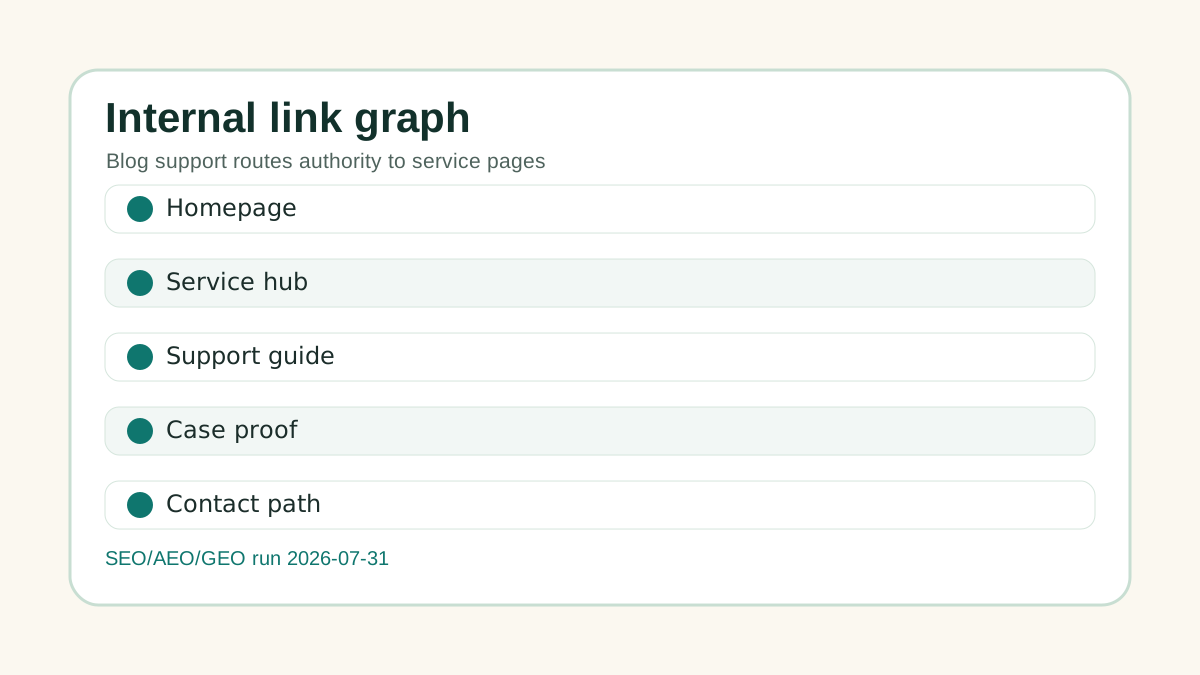
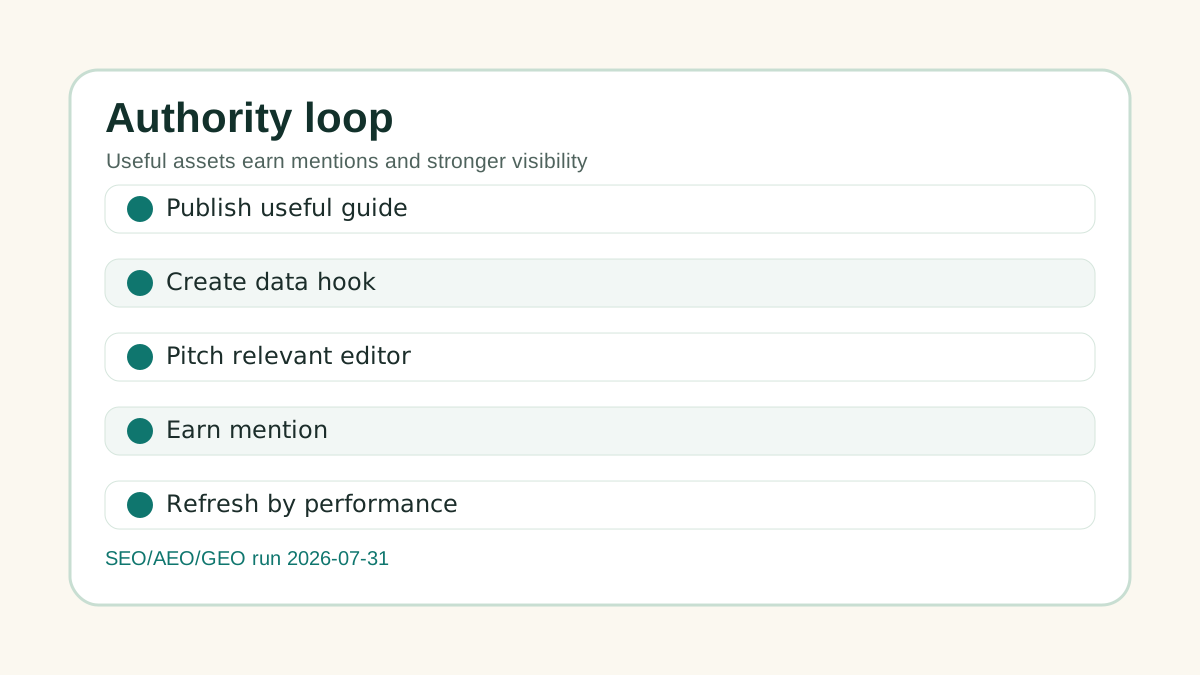
Apply the checklist to the pages that already get impressions
The fastest wins usually come from pages Google is already testing. In Google Search Console, look for pages with impressions, weak CTR, average positions outside the top few results, or indexing warnings. Improve those pages before creating unrelated content.
- Open the GSC page report and sort by impressions, clicks, CTR, and position.
- Match each page to a business outcome: audit request, consultation, service inquiry, or portfolio review.
- Rewrite the title, meta description, first answer, and CTA if the page is earning attention but not leads.
- Add relevant internal links from supporting articles into the closest commercial page.
- Recheck canonical, sitemap, schema, and mobile layout before requesting indexing or validation.
FAQ
Can a service business force Google to show sitelinks?
No. Google chooses sitelinks algorithmically. A service website can improve eligibility with clear navigation, helpful page titles, internal links, breadcrumbs, and clean canonical URLs.
What should be fixed first?
Fix title links, meta descriptions, self-canonicals, breadcrumbs, indexable key pages, schema that matches visible content, and the conversion path from each ranking page.
How does this help lead generation?
A cleaner search result earns better-qualified clicks. A cleaner landing path then turns those clicks into audit requests, consultations, or project inquiries.